

BOSTON, Massachusetts: Luxury fashion houses are racing to win over Gen Z shoppers, a generation whose tastes could redefine the industry but whose loyalties are proving harder to secure.
Shoppers born between 1998 and 2012 made up just 4 percent of global luxury spending before the pandemic, but according to Boston Consulting Group, they will account for a quarter of the market by 2030. Their rise is already exposing clear winners and losers among legacy labels.
Unlike previous generations, Gen Z consumers are more likely to mix designer pieces with trendier labels, shop across TikTok and thrift stores, and favor sustainability and inclusivity.
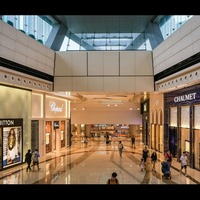
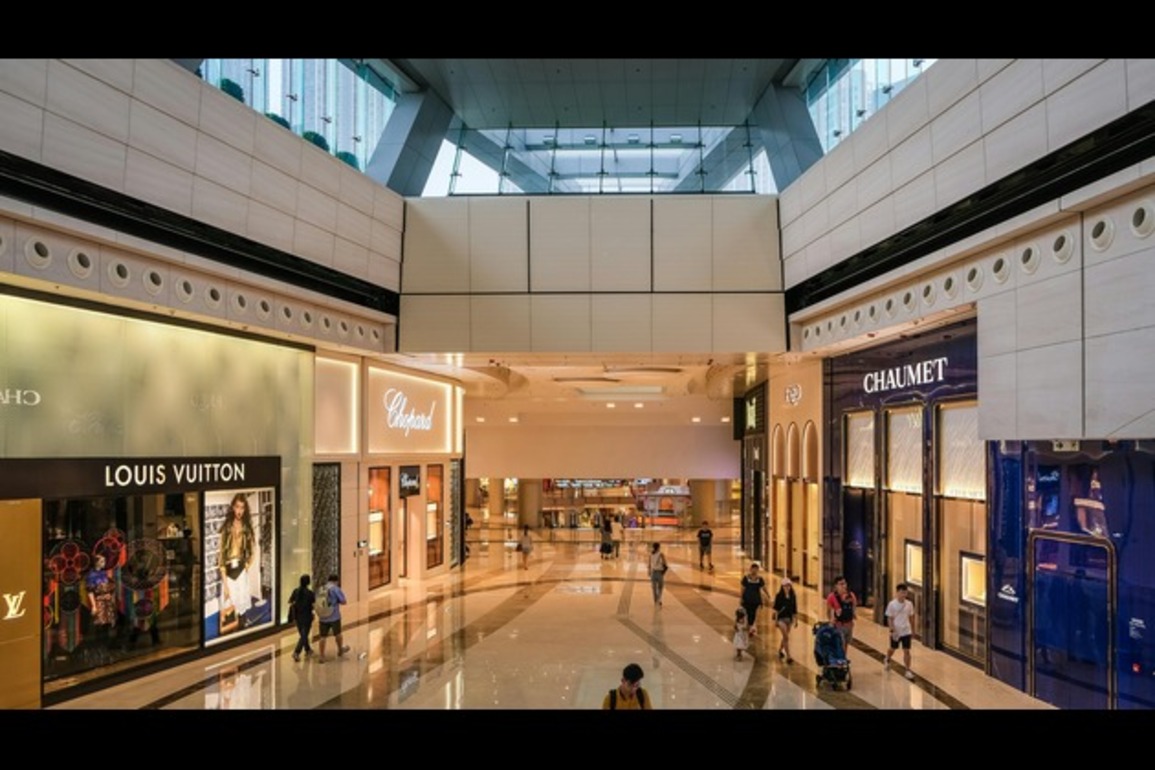
"I think they failed to keep the luxury image in a way," said 24-year-old Christophe Kairouz, visiting Louis Vuitton's New York flagship, which he described as heavy on logos but light on originality.
Brands like Coach and Ralph Lauren are seeing gains, helped by affordable accessories, influencer campaigns, and a focus on sustainability. Coach's revenue rose nearly 10 percent to $5.6 billion in the 12 months through June, and parent company Tapestry has more than tripled in market value in two years. "To break through, you need to have a strong share of voice," CFO Scott Roe said, noting the company boosted marketing spend to 10 percent of sales this year.
Upstart and mid-size players are also benefiting. Labels such as Collina Strada and The Row climbed the latest Lyst Index of hottest brands, which tracks shopping behavior and social media engagement from 160 million users. "It mixes sustainability with a playful, meme-driven aesthetic," Collina Strada founder Hillary Taymour said, adding that Gen Z and Millennials now make up 58 percent of its business.
Some powerhouse names remain in favor. Prada-owned Miu Miu and LVMH's Loewe currently hold the top spots in the Lyst Index. Miu Miu sales surged 49 percent in the first half of 2025, buoyed by leather bag charms that start at $240. "Brands like Miu Miu succeeded because single pieces mirror the brand identity," said Achim Berg of think-tank FashionSIGHTS.
But others are faltering. Gucci's sales fell 25 percent in the second quarter, and CEO Stefano Cantino was ousted on Sept. 17 after just nine months in the role. Research firm dcdx found Gucci suffered the steepest drop in Gen Z social media mentions among leading luxury brands. Kering, Gucci's parent, has lost 43 percent of its share value in two years.
"Legacy brands are splitting into clear winners and losers," said Bain & Company's Frederica Levato.
Analysts say Chinese labels could be next to break out globally. Uma Wang and Shushu/Tong are gaining traction with Gen Z shoppers in Asia, leveraging digital fluency and national identity. "You cannot take the longevity of a brand for granted," Chanel CEO Leena Nair said in New York last week. "You stay in the public consciousness … because you're relevant and timely, and constantly modern."