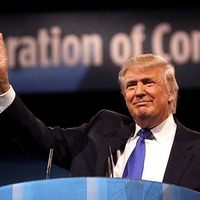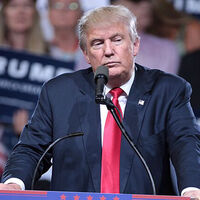


OSLO, Norway: When the Nobel Peace Prize is announced on October 10, experts say one name can safely be ruled out: U.S. President Donald Trump.
Despite his own lobbying for the honor, Trump's chances are virtually zero, according to historians and analysts, who argue his actions, from backing Israel in the Gaza war to tearing up international agreements, run counter to Alfred Nobel's vision of advancing fellowship among nations.
"He has no chance to get the Peace Prize at all," said Asle Sveen, a historian of the award, noting Trump's support for Israel and his outreach to Russian President Vladimir Putin.
The Norwegian Nobel Committee, which awards the prize, is known for resisting outside pressure. One member said that lobbying campaigns often backfire, as the five-person body prefers to deliberate behind closed doors without political interference.
Instead, this year's prize could spotlight humanitarian groups grappling with conflicts made worse by aid cuts and geopolitical tensions. Among the contenders are the U.N. refugee agency (UNHCR), UNICEF, the Red Cross, Doctors Without Borders, and grassroots organizations such as Sudan's Emergency Response Rooms.
Nina Graeger, director of the Peace Research Institute Oslo, said Trump's record stands in sharp contrast to Nobel's mandate. "He has withdrawn the U.S. from the World Health Organization and from the Paris Accord on climate, he has initiated a trade war on old friends and allies," she said. "That is not exactly what we think about when we think about a peaceful president."
To be sure, some controversial figures have won in the past — Barack Obama just eight months into his presidency, or Henry Kissinger at the height of the Vietnam War. But those awards went to leaders who were seen as correcting course, said Henrik Syse, a former Nobel Committee member.
Experts said Trump could only be taken seriously as a candidate if he managed to broker peace in Ukraine or Gaza. For now, the committee may instead turn its attention to U.N. institutions, journalists reporting from war zones, or local mediators working in Africa and Darfur.
"All politicians want to win the Nobel Peace Prize," current committee chair Joergen Watne Frydnes said. "We hope the ideals underpinned by the Nobel Peace Prize are something that all political leaders should strive for … But outside of that, we work just the same way as we always do."